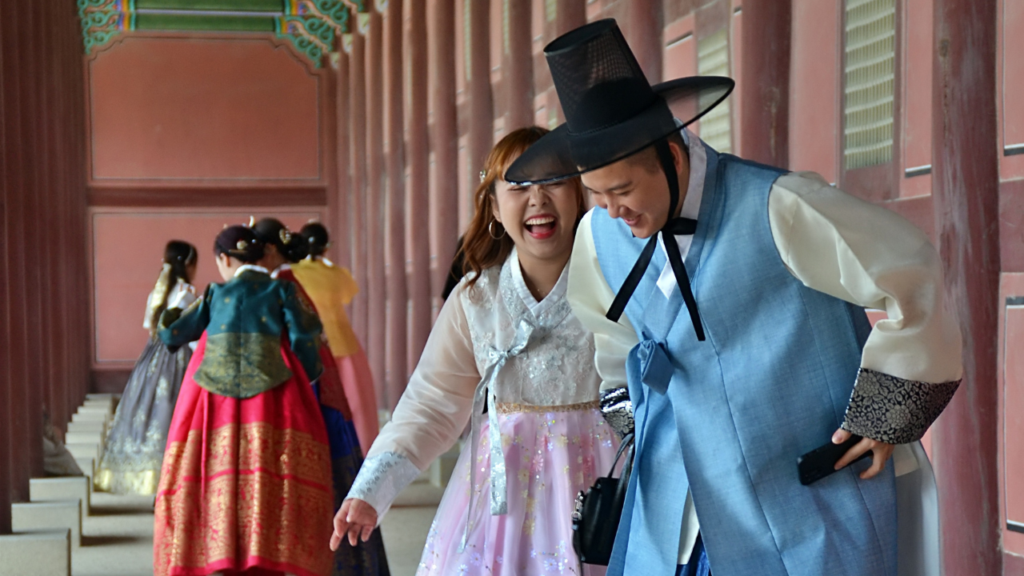
“Is this actually affordable?” is the question we hear most from Canadians looking at an International Experience Canada‘s (IEC) working holiday in South Korea. The short answer: yes, especially compared to a lot of other popular destinations — but it takes some planning to make the math work in your favour. Here’s the real breakdown, with real numbers, so you can budget with confidence instead of guessing.
Before You Even Land: What the Visa Costs
South Korea’s Working Holiday visa (H-1) is one of the more affordable ones to apply for, but there are a few upfront costs to plan around:
- Visa application fee: roughly CAD $121.50 (subject to change)
- Proof of funds: you’ll need a bank statement showing at least CAD $3,400 (we recommend showing a bit more)
- Health insurance for your full stay: required, with a minimum coverage of KRW 40,000,000 — budget roughly CAD $600–1,200 for a full year policy, depending on the provider
- Flights: a one-way ticket to Seoul from a major Canadian city typically runs CAD $900–1,600, depending on season and how far ahead you book
- Round-trip proof: you don’t need to have flights booked yet to apply in most cases, but you do need to show you can afford a return ticket
Realistic total to have saved before departure: roughly CAD $5,000–6,500, covering the visa, insurance, flights, and enough of a cushion to cover your first month before your first paycheque lands. This isn’t a hard rule, but it’s a safer number than the bare minimum — arriving with only the required proof-of-funds amount and nothing extra is how people end up stressed in week two. Learn how you can save $5K for your working holiday.

Monthly Living Costs: Seoul vs. Everywhere Else
Seoul gets all the attention, but it’s also the most expensive city in the country by a noticeable margin. If your budget is tight, cities like Busan, Daegu, or Incheon stretch a lot further while still putting you close to good jobs and a solid social scene.
Rough monthly budget for one person, Seoul:
| Category | Estimated Cost (CAD) |
| Housing (studio or shared room) | $600–1,200 |
| Groceries | $300–400 |
| Eating out (mixed with home cooking) | $150–300 |
| Transit | $50–70 |
| Utilities & phone | $120–180 |
| Everything else (fun, personal care) | $150–250 |
| Total | ~$1,400–2,200/month |
Same categories, Busan or a smaller city: expect roughly 15–20% less across the board, with housing seeing the biggest drop.
A few things that catch people off guard:
- Housing deposits work differently here. Korea uses systems called “wolse” (monthly rent + a deposit) and “jeonse” (a large lump-sum deposit instead of monthly rent — not realistic for most working holiday participants). For a typical wolse setup, expect a deposit of several hundred to a couple thousand CAD, refundable when you move out. Shared housing and goshiwons (small private studios, often with some meals included) have much lower deposits and are common first-stop options while you get oriented.
- Utilities spike in winter. Heating costs in Seoul can roughly double your utility bill from December to February.
- Transit is genuinely cheap. Seoul’s subway and bus system is efficient and affordable, so this is one place your budget gets a break.
What You Can Realistically Earn
South Korea’s minimum wage as of 2026 is KRW 10,320/hour (roughly CAD $10). Canadian working holiday participants can work up to 40 hours a week, so a full-time minimum-wage job comes out to somewhere in the range of CAD $1,600–1,800/month before deductions — enough to comfortably cover a Busan-level budget and get close to breaking even in Seoul.
Common working holiday jobs include:
- Hospitality and café work (often pays above minimum wage in tourist-heavy areas)
- Guesthouse or hostel staff (sometimes with reduced or free accommodation as part of the deal)
- English conversation tutoring or informal teaching (separate from the formal, degree-requiring teaching placements)
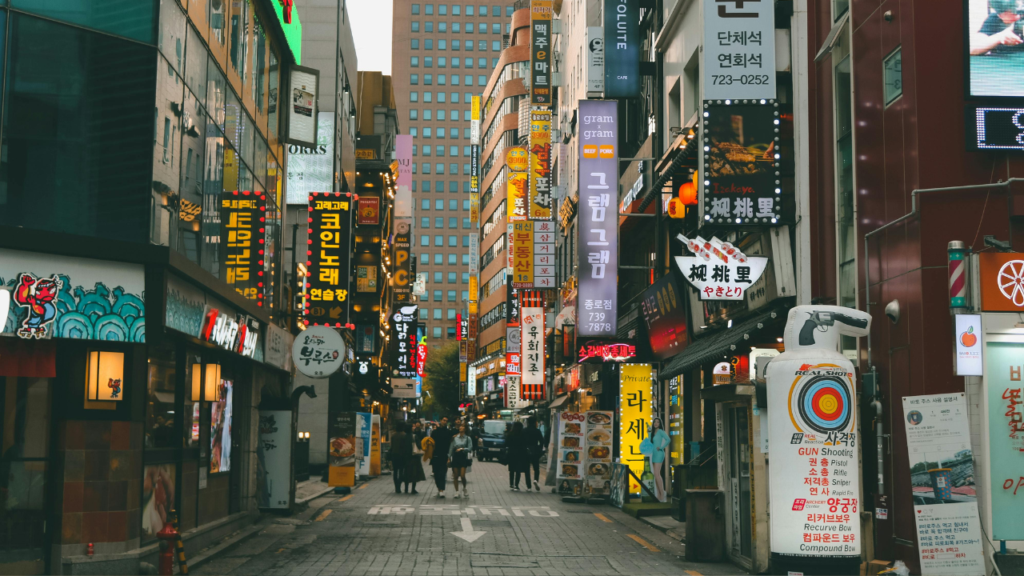
- Retail, especially in areas with a lot of foreign tourists (Myeongdong, Hongdae)
Keep in mind: the working holiday visa is not the same as the dedicated English-teaching visa pathway, which has its own requirements. If teaching is your main goal, that’s a different (and more structured) route than the general working holiday.

So, Is It Actually Doable?
Yes — with a plan. The people who have the smoothest experience tend to:
- Save more than the bare minimum before they leave (closer to $5,500 CAD than $3,400)
- Line up short-term housing (guesthouse, goshiwon, or shared apartment) before arrival, then look for something longer-term once they’re settled
- Have a job lead or two in the works before landing, rather than starting the search from zero
- Budget for a slower first month while things like a Korean bank account and phone plan get sorted
This is exactly the kind of groundwork Go International helps with.
At GO International, we’ve been helping Canadians work, travel, volunteer, and explore the world since 1995. As a Recognized Organization (RO) under International Experience Canada (IEC), we provide trusted guidance on Working Holiday visas, destination planning, job support, and pre-departure preparation.
Whether you’re dreaming of Australia, New Zealand, Japan, the United Kingdom, or Europe, our experienced team can help you prepare with confidence.
Start planning today—and take the first step toward the adventure of a lifetime.
GO International is a Canadian work and travel organization and a Recognized Organization (RO) under International Experience Canada (IEC), helping Canadians aged 18–35 plan, work, travel, volunteer, and live abroad with confidence since 1995.